
Dr. Wissam Al-Jundi
Consultant Vascular Surgeon
1. What causes varicose veins, and can they be prevented?
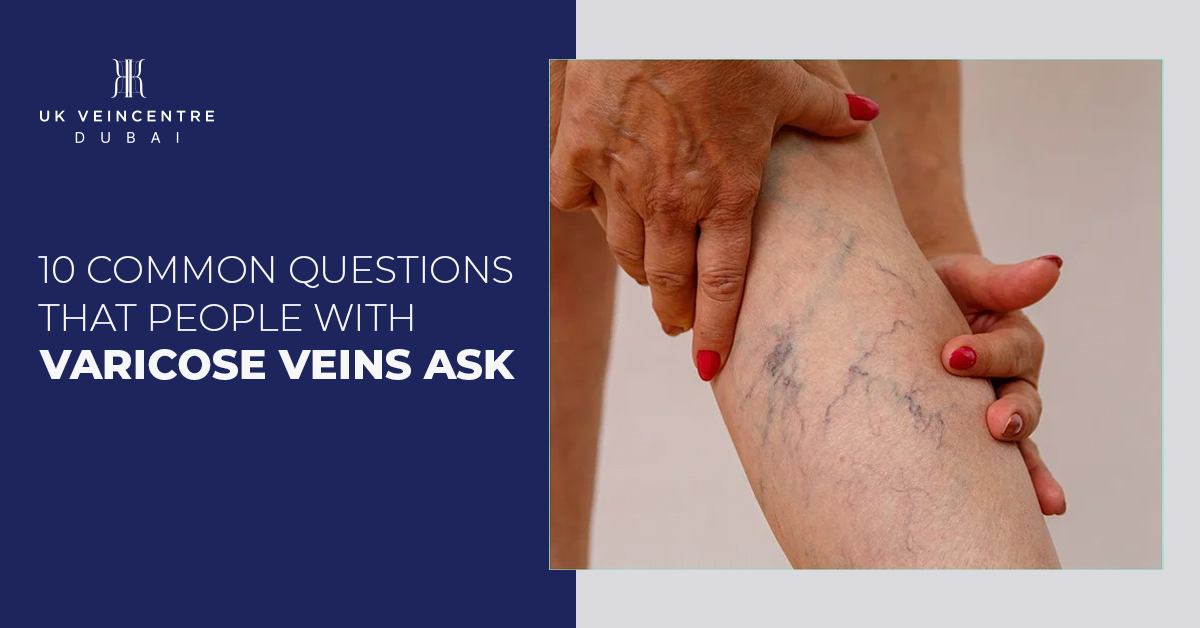
Varicose veins are caused by leaky valves in the veins, which prevent the blood from flowing back up to the heart effectively. Instead, the blood begins to pool in the veins, causing their walls to become weak resulting in the appearance of enlarged and visible veins. While age, professions that involve long standing, overweight and pregnancy are factors that can make them worse due to the increased pressure on the legs, there is no specific cause for varicose veins. There tends to be family history, hence there is a hereditary element and the reason you have varicose veins is simply “bad luck!”.
Adopting healthy habits might help prevent or slow their progression. These habits may include exercising regularly, maintaining a healthy weight, avoiding prolonged periods of standing or sitting, and elevating your legs regularly. However, it’s important to note that these habits may not prevent varicose veins altogether.
2. How are varicose veins treated, and are there any non-surgical options?
There are several treatment options for varicose veins, and non-surgical options are available. Non-Surgical options may include:
Compression stockings: wearing compression stockings with graduated pressure helps to keep the blood flowing in the right direction and prevent pooling in the veins. However, this measure is aimed at “managing” rather than “curing” varicose veins. Most people also find the application and removal of compression stockings challenging and they can be poorly tolerated in hot climate.
Sclerotherapy: Sclerotherapy is a minimally invasive treatment that involves injecting a solution directly into the affected vein, which causes it to collapse and eventually fade away. It’s often used to treat smaller varicose veins and spider veins. On the other hand, treating varicose veins with sclerotherapy only is not durable. The national guidelines recommend treating the source of varicose veins with endovenous ablation first prior to injecting sclerotherapy to the varicose veins.
Endovenous Laser Treatment (EVLT): EVLT is a pinhole procedure that uses laser energy to destroy the damaged vein from the inside. The target leaky vein is punctured by a needle and through that we can guide a laser fibre that closes the vein from inside. The procedure requires only local anaesthetic injections.
3. Will varicose veins come back after treatment or surgery?
While varicose veins can be effectively treated, there is no guarantee that they won’t come back in the future. Historically when varicose veins used to be treated surgically, 10-15% of people who undergo treatment for varicose veins will experience a recurrence within five years. However, with more precise diagnostic investigation and endovenous ablation procedures performed by experts, the chances of recurrence are much less. Even a recurrence in these circumstances tends to be minor and can be managed with a top up session of sclerotherapy.
4. Is there any link between varicose veins and deep vein thrombosis (DVT)?
Varicose veins and deep vein thrombosis (DVT) are both related to the veins in the legs but are two different conditions.
Varicose veins are caused by weakened or damaged valves in the veins, which result in enlarged, twisted, and visible veins. They are usually a cosmetic concern or can cause symptoms such as pain, discomfort, and swelling. 10% of people with varicose veins can get complications such as bleeding, ulcers, eczema or clotting of the surface veins (superficial venous thrombosis/phlebitis).
On the other hand, deep vein thrombosis (DVT) is a serious and potentially life-threatening condition that occurs when a blood clot forms in deep veins, usually in the lower leg or thigh. DVT symptoms include pain, swelling, and warmth in the affected area, and if left untreated, a blood clot can break off and travel to the lungs, causing a pulmonary embolism. While most of DVTs are not caused by varicose veins, patients who have develop phlebitis due to varicose veins are at 15-20% risk of developing DVT.
5. Will my insurance cover treatment for varicose veins?
It depends on your insurance policy and the severity of your varicose veins. In some cases, insurance companies may cover treatment for varicose veins if they cause symptoms that affect your quality of life, such as persistent pain, throbbing or swelling, while they tend to cover most if not all cases of varicose veins when they cause complications such as venous ulcers, bleeding or eczema
Before scheduling any treatment for varicose veins, it’s essential to check with your insurance provider to determine what is covered under your plan. At UK Veincentre, we may also be able to provide information about insurance coverage and work with your insurance company to determine the best course of action.
6. When should I see a doctor for my varicose veins? And who shall I see?
Firstly, it is vitally important to see a vascular consultant when you have varicose vein. Even if they are only causing cosmetic concerns, attending a cosmetic centre to simply have an injection in the veins is not the best practice and invariably results in suboptimal outcomes. Injecting the veins to close them without treating a potential underlying leaky vein resembles mopping a puddle of water on the floor without closing the leak in a ceiling that caused it. You can see a vascular specialist whether you have cosmetic concerns, symptoms or complications from varicose veins, particularly that their natural history is that they get worse with time. Treatment of varicose veins these days is relatively safe via office-based walk-in walk out pinhole procedure. If you don’t have any symptoms or cosmetic concerns, you may consider simply wearing compression stockings to manage them, while its medically essential to treat them if you develop debilitating complications such as
- Pain, hardening, or redness of the veins (phlebitis)
- Skin changes near the varicose veins
- Bleeding from the veins
- Leg ulcer
7. Are varicose veins only a cosmetic concern, or can they cause health problems?
While varicose veins are typically considered a cosmetic concern, they can also cause health problems, especially if they are left untreated. Some potential health problems associated with varicose veins include:
Pain: many people with varicose veins experience pain, discomfort or heaviness, especially after extended periods of sitting or standing.
Swelling: the swelling that can accompany varicose veins can cause discomfort and even lead to skin changes and ulcers.
Blood clots: people with varicose veins are at a higher risk of developing blood clots.
Bleeding: in some cases, varicose veins can rupture and cause bleeding, which can be dangerous.
Skin changes: over time, varicose veins can cause skin changes, such as skin discoloration, hardening, and inflammation, that can be uncomfortable and unsightly.
Venous ulcers
So, although varicose veins may not be a major medical issue for everyone, they can cause symptoms and lead to more serious health concerns for some people. If you have varicose veins, it’s essential to consult a vascular surgeon to determine the best course of action.
8. Are there any lifestyle changes that can help manage my varicose veins?
Yes, making certain lifestyle changes can help manage varicose veins and reduce the severity of symptoms. Here are a few tips:
Exercise regularly: Regular exercise, such as walking, swimming, or cycling, can improve circulation in your legs, which can help reduce the severity of your varicose veins.
Wear compression stockings: Compression stockings are specially designed to apply pressure to your legs, promoting blood flow and reducing discomfort from varicose veins.
Avoid standing or sitting for extended periods: If your job involves standing or sitting for long periods, make an effort to get up and move around or stretch your legs every 30 minutes.
Maintain a healthy weight: Excess weight can put extra pressure on your legs, making varicose veins worse. Maintain a healthy weight to reduce this pressure.
Elevate your legs: this is relevant if you experience leg swelling. If you do, elevate your legs above the level of your heart for 15-20 minutes a few times a day.
These lifestyle changes can help you manage your varicose veins and reduce your symptoms’ severity. However, if your symptoms persist or worsen, you should consult a vascular surgeon for treatment options.
9. Can I exercise with varicose veins?
Yes, it is generally safe to exercise with varicose veins, but you should consult with your healthcare provider before starting any new exercise regimen. Low-impact exercises such as walking, cycling, swimming, and yoga can all be beneficial for improving circulation and managing symptoms. Compression stockings during exercise may help support the veins and prevent complications.
10. Is it safe to fly or travel long distances with varicose veins?
It is generally safe to fly or travel long distances with varicose veins, but it is recommended to take some precautions to reduce the risk of complications. These include:
- Wearing compression stockings to help improve blood flow and prevent the formation of blood clots.
- Walking around and doing stretching exercises every 30 minutes to prevent blood from pooling in the legs.
- Staying hydrated by drinking plenty of water.
- Avoiding sitting with crossed legs.
Consulting with a doctor before travelling if you have severe or symptomatic varicose veins, a history of blood clots, or other medical conditions that may increase the risk of complications.